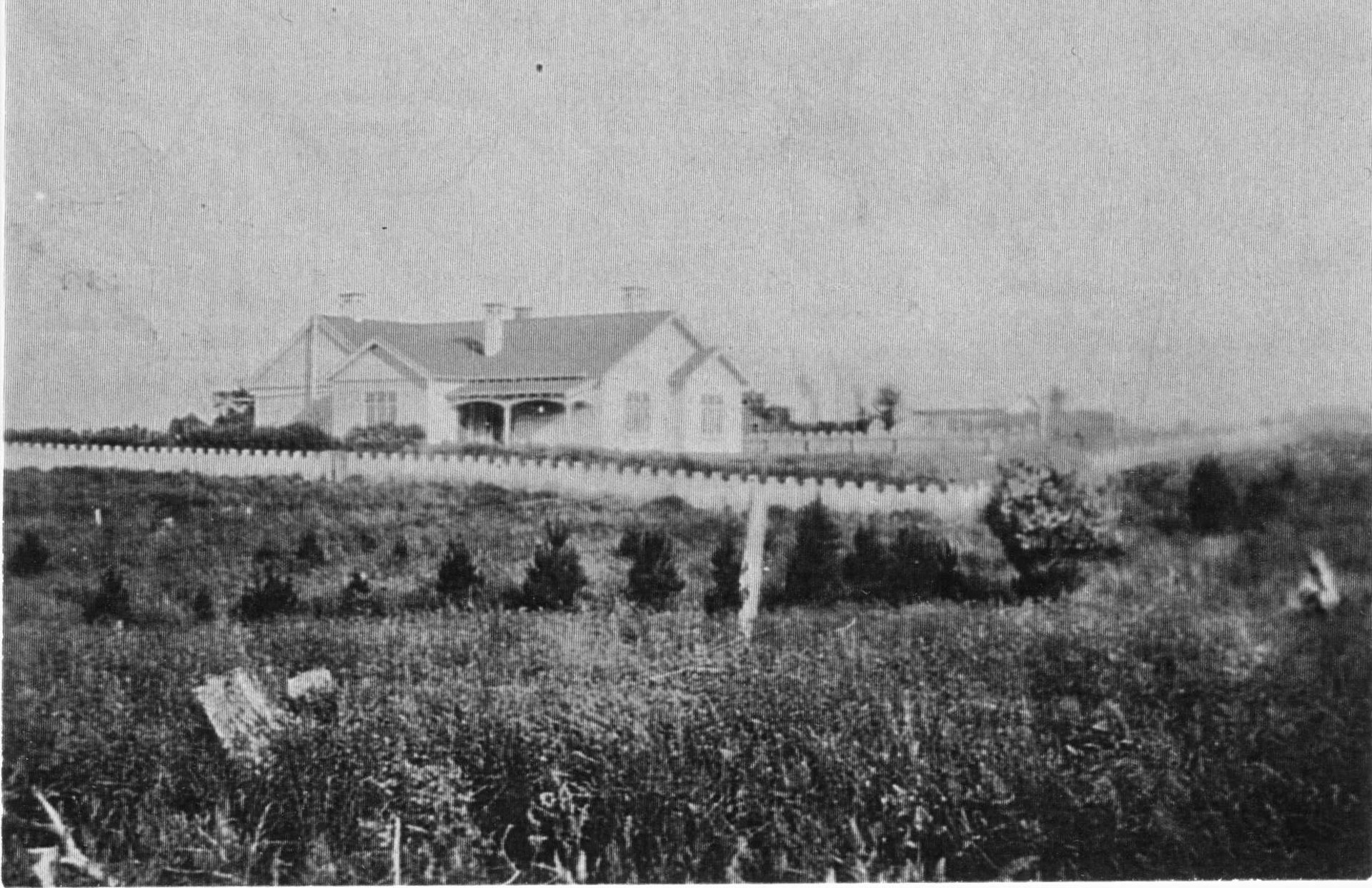
Nicolaus Alexander Niederer
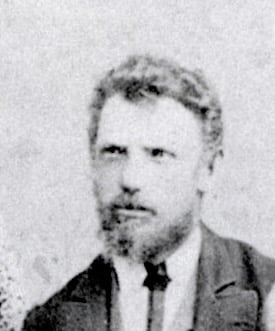
Born March 19th 1852 in Kuttigen Switzerland, Nicolaus was the son of Andreas and Dorothea (nee Henning) Niederer. Kuttigen is located in the canton of Argau, and near the town of Aarau. However, the Niederer family were registered as citizens of Walzenhausen.
Andreas was employed as a customs agent and was transferred from Kuttigen to Waldshut, Germany to collect customs duties. On the Swiss side of the Rhine river was the village oof Koblenz Waldshut was on the German side.
Andreas died November 25th 1861, when Nicolaus was just nine years old. Dorothea remarried to Ludwig Eckert, a locksmith. In all correspondence Nicolaus called him father. Ludwig trained Nicolaus as a locksmith.
Nicolaus was the 5th of seven children, being, Fredrich Wilhelm (Fritz) was born April 14th 1844, Herrman, December 19th 1845, Anna Maria, May 26, 1848, Konrad Walther (Walter) December 10, 1849. Nicolaus, March 19, 1852, followed by Anna, December 2nd, 1856 and llastly Ernst Otto (Ernst) April 26, 1860.
Nicolaus's early life was in Waldshut and he was confirmed on Palm Sunday, 1867. During 1869, aged just 17 Nicolaus walked to Hamburg, Germany to begin work at the Reihersteig Shipyard where he worked until April 18, 1871. A post card tells of his departure from Hamburg on June 6th, 1874. He made is way to London where he caught the vessel, Cartvale and sailed for new lands.
The Cartvale was built in 1872 and sailed for Wellington on June 25 1874. The journey to Wellington was horrific, and of the 412 immigrants on board some 22 infants and adults died. Sanitation, congestion and insufficient rations were reasons given for the deaths.
The Cartvale docked in wellington harbour on October 11, 1874. Nicolas was 22 years of age and described himself in the manifest as a farm laborer. As it turned out his first work was on a Wanganui sheep station and after a year on the farm he headed south and found work on the Dunedin to Invercargill railway, near the town of Stirling.
During 1878 Nicolaus ventured further south and into Southlandwhere he found work in a saw mill, at Tapanui, Lady Berkley and Woodend. At the age of 28 he was appointed manager of the Mill Creek Saw Mill, Stewart Island.
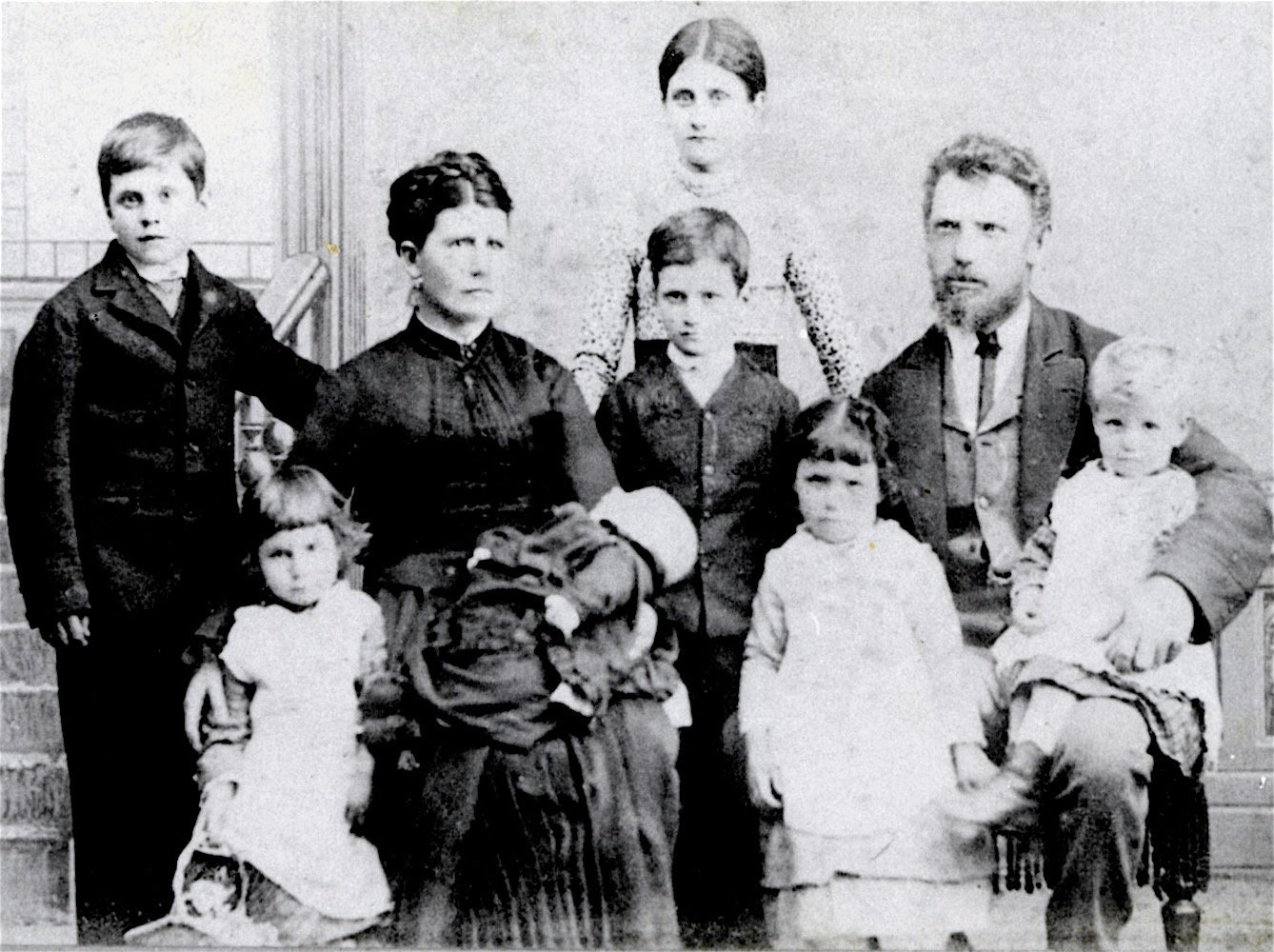
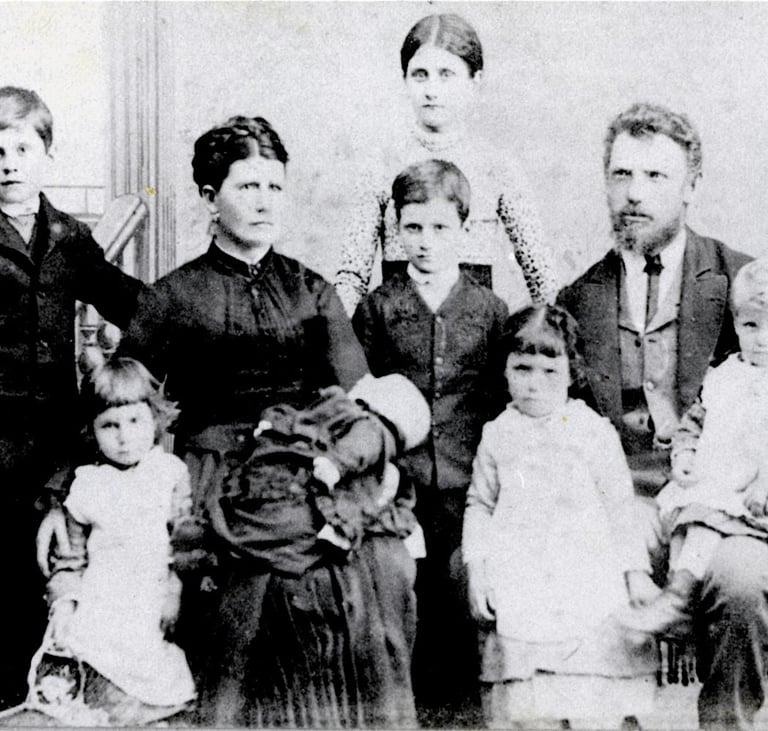
A waterwheel powered the mill but there was never enough power available and consequently it was necessary to stop work periodically so that the dam could refill with water. Timber vessels had the timber punted out to them at high tide. This system meant ther ewas a lot of night work. Ultimately a tidal wave flooded the mill and shifted it off it foundations. As a consequence the mill was moved to Halfmoon Bay and erected somewhere near where the baker's shop now stands. A wharf was built so that the timber could be loaded on the ships. In 1882 Nicolaus was appointed to the Stewart Island School committee. In the same year he married Isobel Urquhart. Isobel was the daughter of Hugh Fraser of Rosshire , Scotland. Her marrage to Henry Urquart ended with his death deu to a falling tree. Henry and Nicolaus were partners in a forestrt and sawmilling business. Isobel and Henry had two children and following her marrage to Nicholaus the produce four more children.
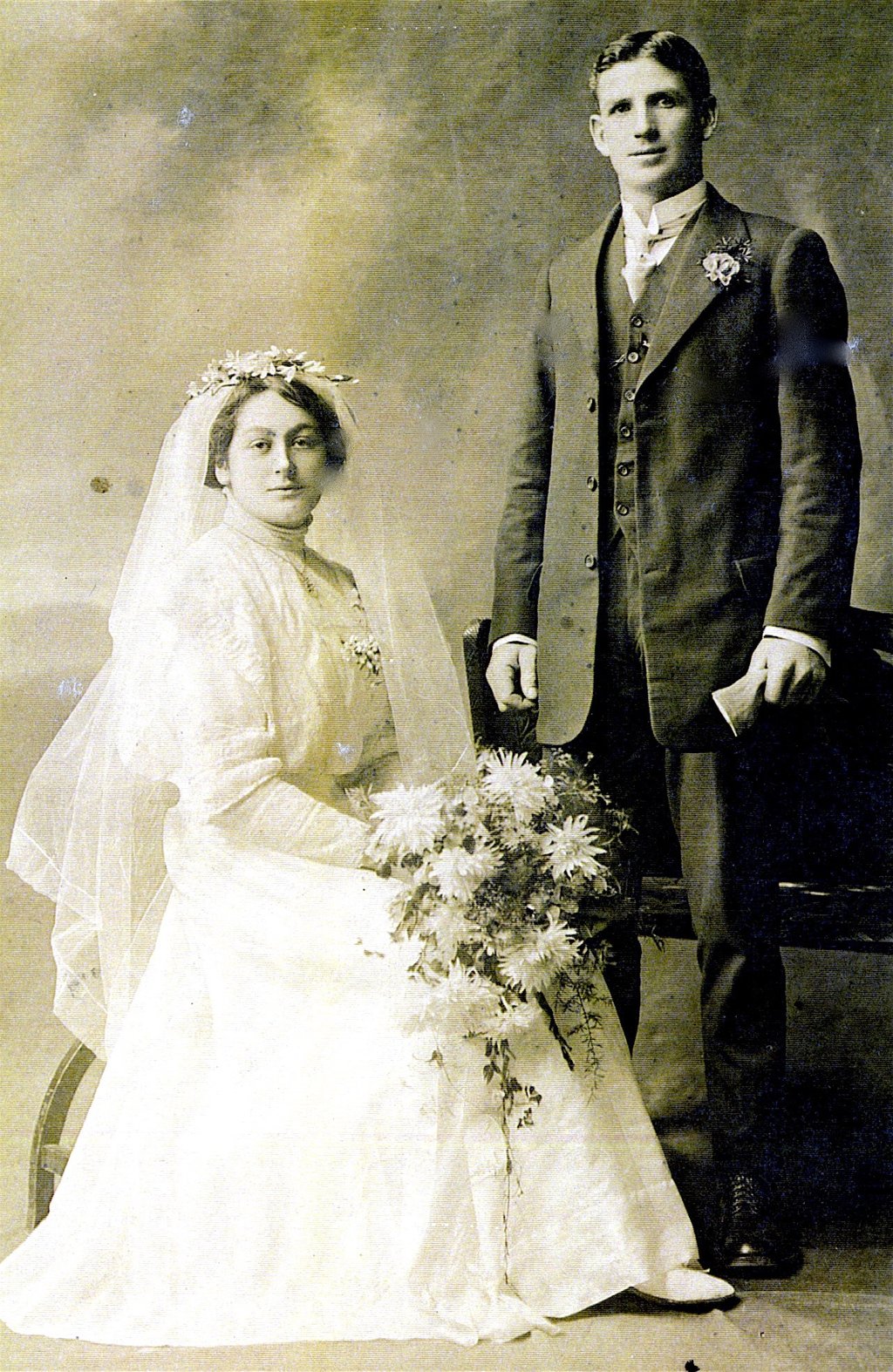
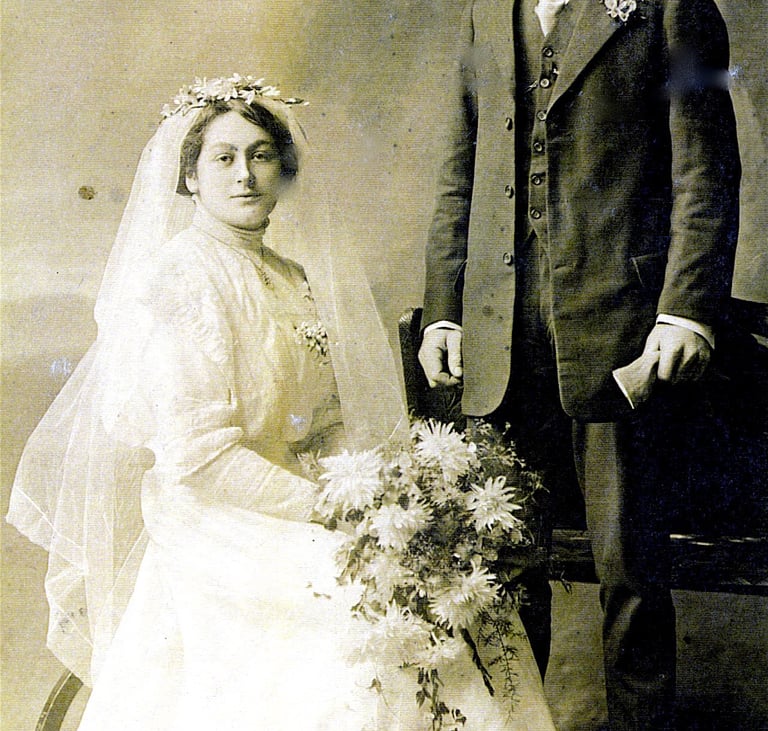
The children were Dorothea, born February 6, 1883, Anna Bertha born July 12, 1884, Louis Andreas, born October 4, 1885 and his brother Otto Ernest, October 28, 1887.
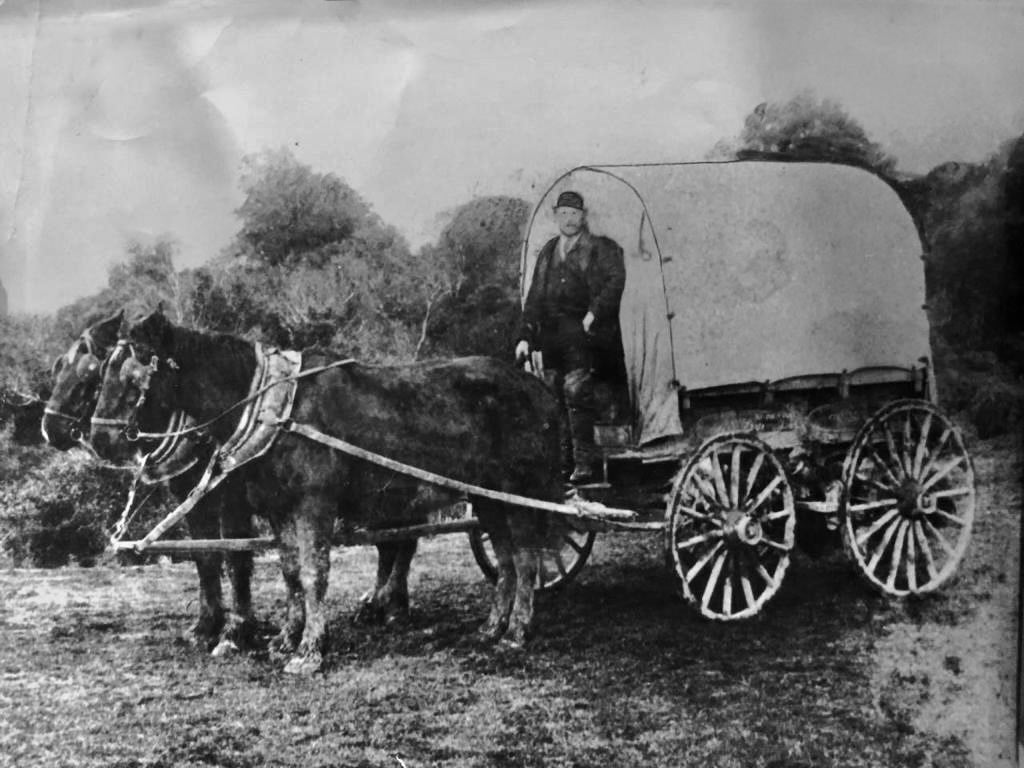
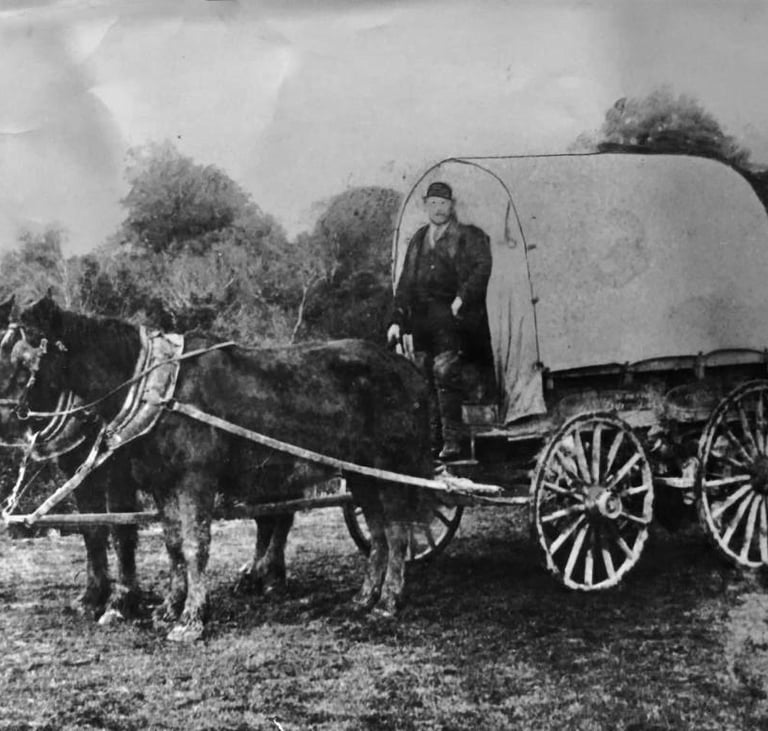
Ultimately Nicolaus and Isobel went back to the mainland to Waikiwi in North Invercargill where he became a storekeeper which led to him developing a hawkers business selling everyday goods from a horse-draw wagon all over Southland. He stuck at it for some seventeen years and made many contacts and friends.
In 1887 he decided to take up land at Gorge Road which was then known as Oteramika Gorge and changed the name for postal reasons to Gorge Road in 1896. Over the years Nicolaus grew the land holding to 1,300 acres. When he finally gave up the store and the hawking business and settled on the land at Gorge Road he was faced with the task of clearing the bush in order to develop pastures. Backed by his extensive timber and sawmilling experience he developen the Kahikkatea sawmill based on his land and began the process of clearing. The mill was a success but caught fire and burnt down following which Nicolaus built a flax mill and began harvesting the native flax. The Maori word for flax is Harakeke and that became the name of the enterprise that Nicolaus developed in Gorge Road. The business was taken over by his son Louis and Nicolaus retired to Invercargill.
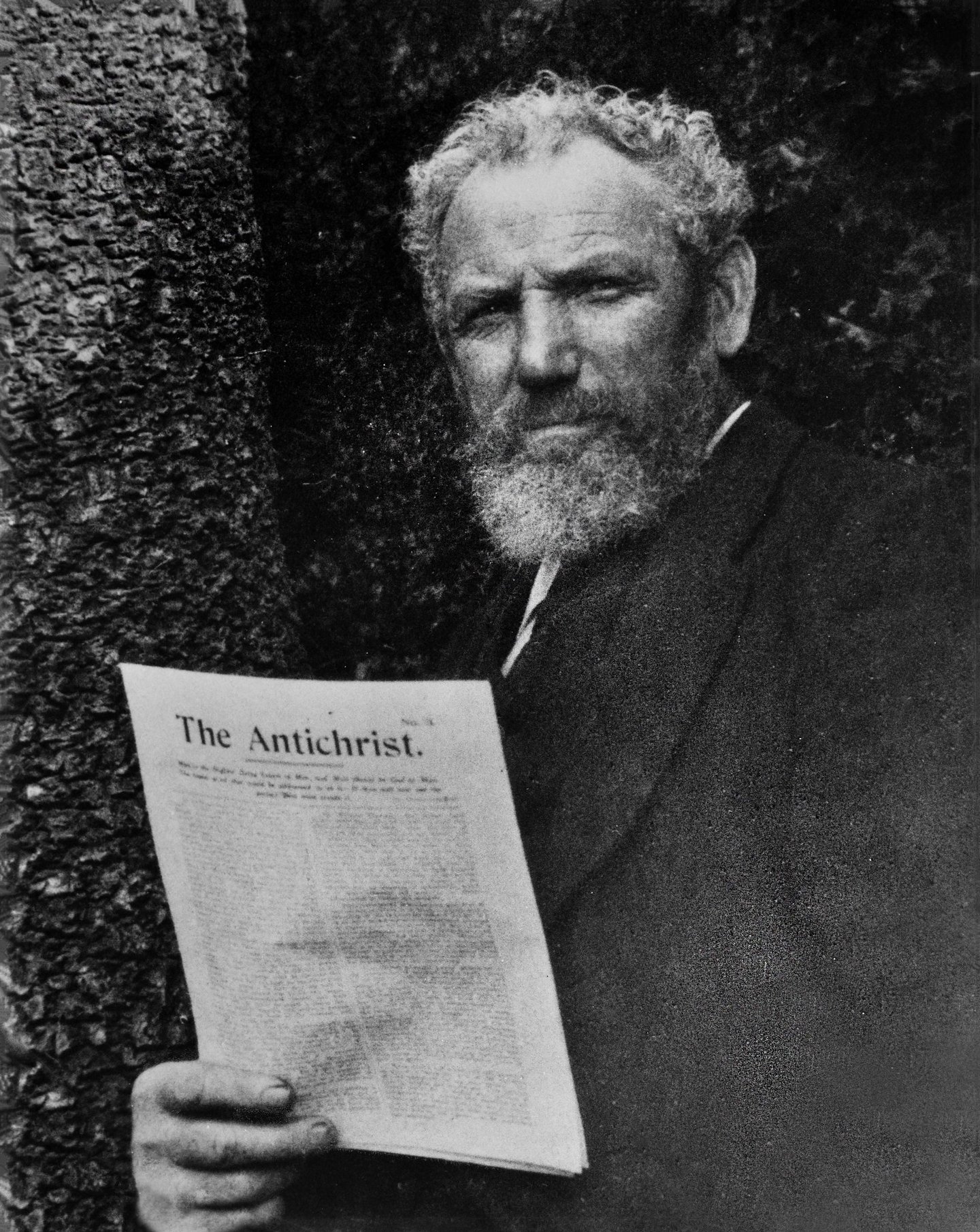
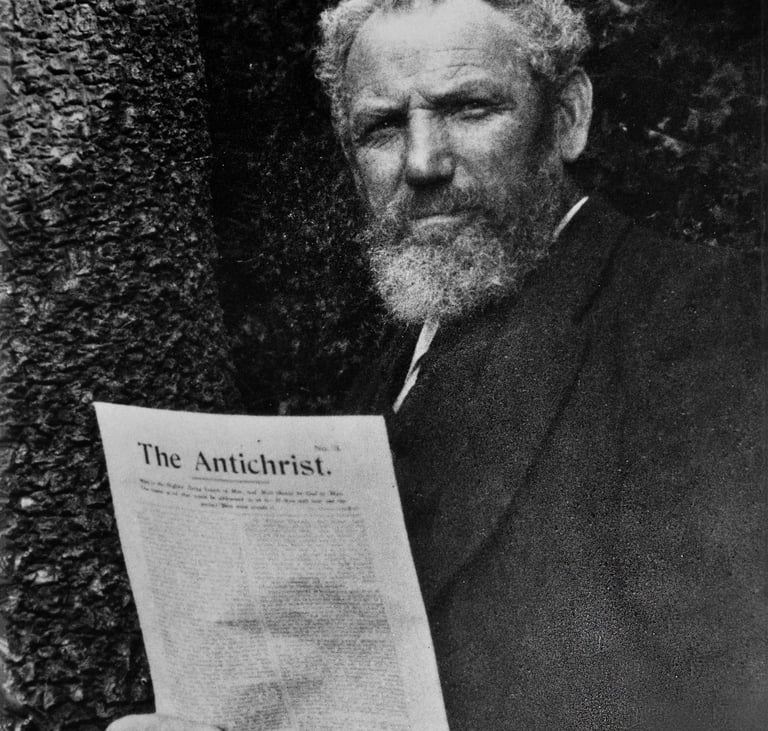
He sppent is time reading and researching for his publication The Antichrist which exppressed his humanist athiest beliefs and often to shots at the Cathholic church. Indeed, his letters to the local paper were welcomed by the editor as the invaribly engendered a response from the church which led to increased readership.
As to his Swiss family, his mother died July 9th, 1896, still clinging to the hope that she would see Nicolaus once more. In a letter she wrote in 1891, she said that she could never leave the house because she must look after the shop and that the goats needed to be milked. Her shop sold toys, brushes, china, and glass.
As to his siblings, Ernst worked as a manservant for a wealthy Parisian family and eventually married Margareth Marie Emillie (nee Fournier). His sister Anna also worked for the same family. Her first husband died after nine months of marrage, and with her second Baumann she cared for his two children by a previous marrage and raised the as her own.
Both Fritz and Walther wandered around as almost tramps for most of their lives and were often in trouble for petty crimes. Both died in the "poor-house" in Walzenhausen.
He was a man with very decided opinions o n politics, prohibition and religion. He was a man with very decided opinions on politics, prohibition and religion. He was very forthright in expressing those opinions and a t one stage published a broadsheet called "The Antichrist". He was a great reader and had a great library with many o f the best books of the day. This contributed to his reputation as a conversationalist. He frequently wrote "letters to the editors" of local papers.
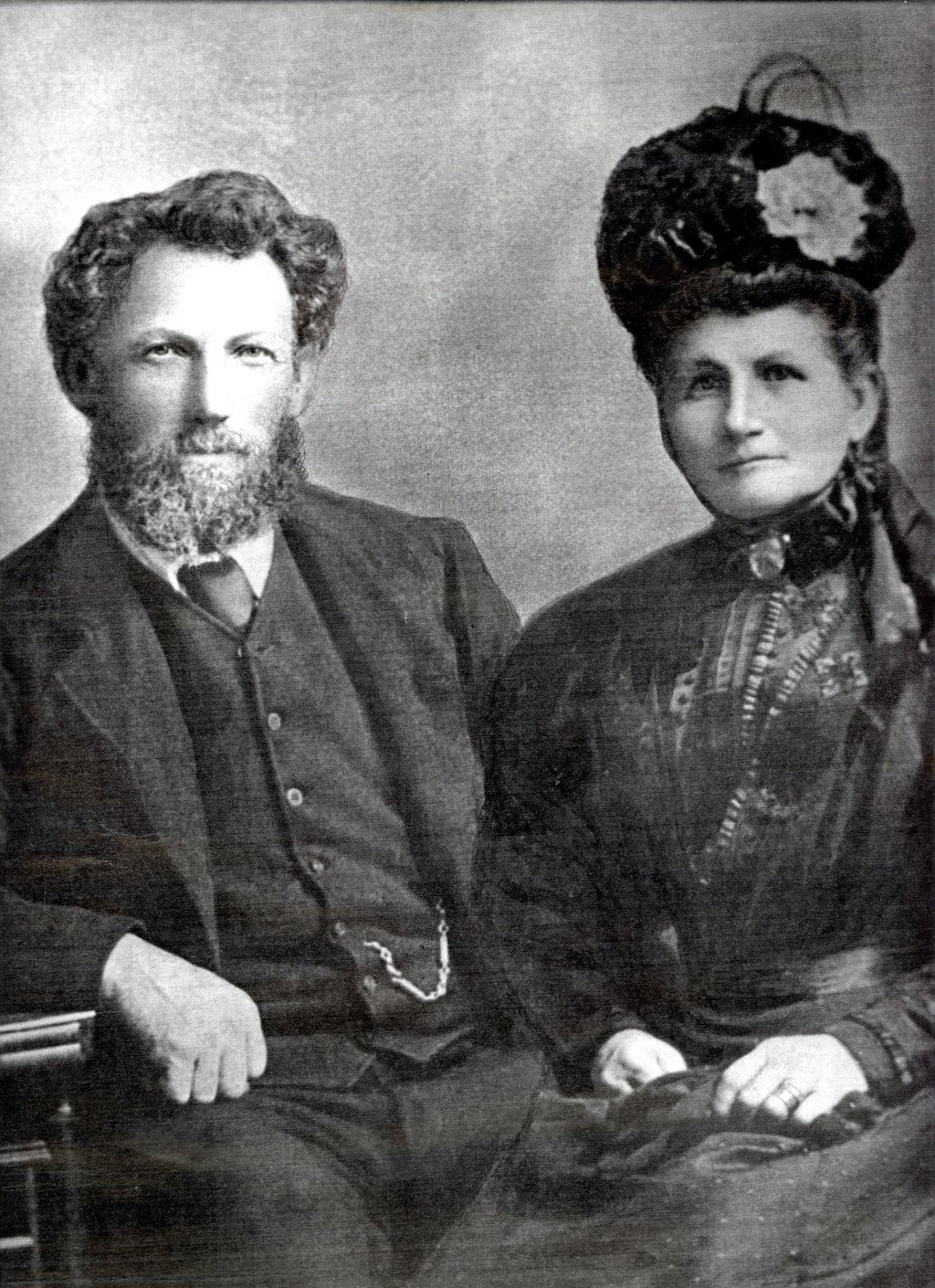
Louis Andreas
You didn’t come this far to stop
Stay Connected
Get family history stories and updates
If you have any information regarding the Niederer Family that you are happy to share please get in touch...
hello@gorgeroadblog.com
© 2026. All rights reserved.